Start With the Right Raid
Active Matter is an extraction shooter where leaving alive matters more than winning every fight. Your immediate goal is simple: enter a quantum-unstable zone, gather useful loot and active matter, then reach extraction before the zone collapses.
You play as an operative trapped in a time loop. Raids mix realistic firearms and gear with dangerous anomalies, transformed creatures, and rival operatives. A successful extraction lets you keep what you brought out; dying can cost the equipment you carried in.
Before your first serious raid, complete the tutorial and spend time in the menus. Learn where to select maps, view objectives, inspect your inventory, and prepare a loadout. Avoid treating early raids as high-stakes missions: use them to learn routes, enemy behavior, and extraction locations.
| Raid type | What to expect | Best use |
|---|---|---|
| Isolated raid | PvE only, with creatures and environmental dangers | Learning maps, completing objectives, and recovering gear |
| Open raid | PvPvE, with other players competing for loot | Higher-risk runs when you want better rewards |
| Squad raid | Up to three operatives working together | Safer exploration and stronger combat coverage |
| Solo raid | No teammates to revive or support you | Quiet looting, practice, and self-reliant play |
PvE raids are a good starting point because they still allow looting and objective progress without the pressure of hostile players. Open raids can offer stronger loot opportunities, but every gunshot may attract other operatives.
Choose your raid according to what you need. If you need map knowledge or basic supplies, bring a modest kit into PvE. If you need rare resources and are ready for player fights, use an open raid. Do not risk your favorite weapon before you understand the map.
Build a Loadout You Can Afford to Lose
A loadout should support a specific plan, not just include the most expensive items in storage. Bring a primary weapon you can control, enough ammunition for unexpected fights, healing, and a close-range backup when possible.
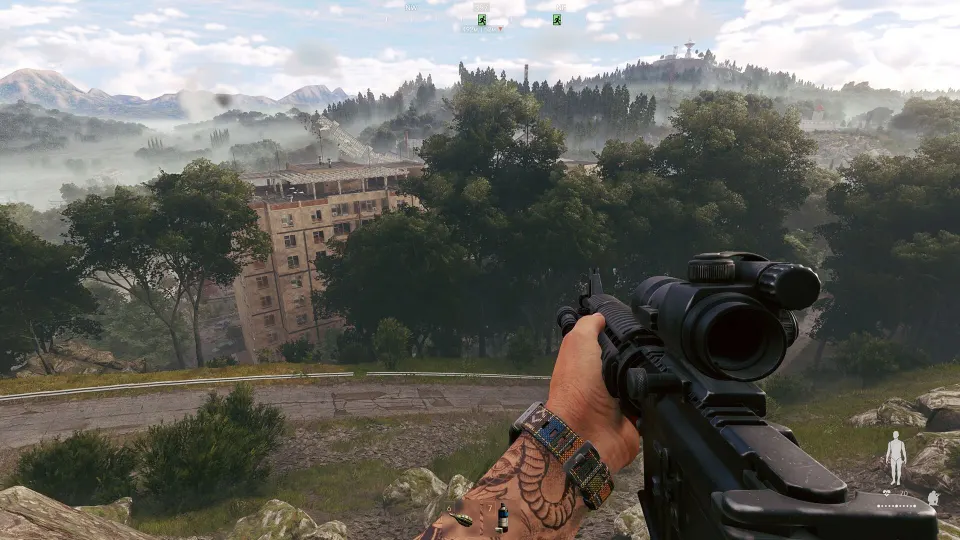
Real-world-style firearms are central to combat, and attachments such as sights, suppressors, and stocks can help tailor a weapon to your approach. Rifles and SMGs are flexible choices for player encounters, while shotguns are especially useful in tight spaces and against aggressive creatures.
| Loadout item | Why it matters | Beginner advice |
|---|---|---|
| Primary firearm | Handles most threats at medium range | Use a familiar rifle or SMG rather than an expensive experimental build |
| Melee weapon | Saves ammunition against weaker targets | Keep one ready for isolated enemies |
| Healing supplies | Lets you recover after creature attacks or firefights | Bring enough to survive a mistake, not enough to bankrupt yourself |
| Grenades or fire | Clears groups and creates space | Save them for clustered enemies or a difficult escape |
| Drone | Scouts, distracts, or helps plan a push | Use it before entering risky buildings |
If your funds are low, use available rented or basic gear instead of gambling your best equipment. A cheap successful extraction is more valuable than repeatedly losing premium kits. Loot you do not need can often be refined or recycled for credits and materials.
Do not fill every slot with valuables before you understand their purpose. Keep room for medical supplies, ammunition, and high-value raid loot. If you find something rare, change your plan from “keep exploring” to “get out safely.”
Survive the Zone and Extract
Each raid has three phases: enter, gather, and leave. New players often spend all their attention on gathering and forget that extraction is the real win condition.
Check the map and active objectives before moving. Maps may begin covered by fog, then reveal information as you explore. Note buildings, landmarks, danger zones, possible extraction points, and any route that gives you cover. Move with a purpose instead of wandering through every structure.
Anomalies can change gravity, distort space, flip orientation, or provide portal routes to inaccessible places. Floating buildings and objects may have nearby portals rather than direct entrances. Watch the environment before sprinting into unfamiliar rooms.
Use this raid rhythm:
- Spawn, check objectives, and identify a nearby low-risk loot route.
- Loot quickly while listening for creatures, gunfire, and other players.
- Decide early whether you are continuing for profit or extracting with what you have.
- Use cover before healing, reloading, or opening your inventory.
- Head to extraction before the zone becomes too dangerous or crowded.
| Threat | Safe response | Common mistake |
|---|---|---|
| Aggressive creatures | Keep moving, use spacing, and choose melee when it is safe | Firing wildly and attracting more enemies |
| Large transformed enemies | Fight from cover and use grenades, fire, or sustained damage | Standing in the open to trade damage |
| Gravity or portal anomalies | Observe first and use them deliberately | Running through without checking the exit |
| Other operatives | Listen, flank, disengage, or ambush from cover | Assuming every sound is an AI enemy |
| Zone collapse | Begin extraction before the final rush | Looting until there is no safe exit |
PvE enemies are not background decoration. Some enemies swarm, some punish players who stay in one location too long, and some are easier to bypass than fight. If you are short on ammunition or healing, avoiding combat is often the smartest choice.
Environmental awareness can also turn a bad fight around. Dangerous creatures may attack nearby targets, and anomalies can disrupt movement or create unusual routes. Let the zone work for you instead of assuming every encounter must end in a direct shootout.
In open raids, sound discipline matters. Gunfire may win an immediate fight while revealing your location to a better-equipped squad. After a loud engagement, reload, heal, loot fast, and relocate. Staying at the same body or building is an invitation for another team to arrive.
Turn Successful Raids Into Progress
Extraction feeds the long-term game. Active matter can come from clusters, transformed creatures, and other players. Bring it back to base to convert resources, improve your position, and support future raids.
Your base and syndicate systems let you expand storage, unlock crafting options, replicate equipment, and improve your arsenal. Progression also involves missions, objectives, map completions, currencies, and Monolith-related unlocks. Read requirements before spending tokens, because not every upgrade benefits every playstyle.
Prioritize progress that solves your current problem:
- Need steadier income? Run affordable PvE raids and refine excess loot.
- Need to complete map requirements? Focus on one objective at a time.
- Need better combat results? Upgrade a reliable weapon setup instead of collecting many unused guns.
- Need team survival? Bring active matter and coordinate revives, routes, and extraction timing.
- Need practice without gear pressure? Use the dedicated PvP-style mode with issued gear when available.
Crafting and replication are most useful when they give you repeatable access to gear you actually use. A consistent medium-cost kit can carry more raids than one rare weapon you are afraid to deploy.
Syndicate conflict adds a larger PvP layer focused on valuable active matter sources. Treat those battles as an advanced goal. First become comfortable extracting, reading anomalies, and surviving ordinary raids. Once you can replace your equipment, you can take bigger risks without stalling your progress.
FAQ
What is the main goal in Active Matter?
The main goal is to enter a raid, collect loot and active matter, then extract alive. Items and resources you recover can support your base, gear, and longer-term progression.
Is Active Matter PvP only?
No. Active Matter includes open PvPvE raids and isolated PvE raids. PvE is useful for learning maps, completing objectives, and gaining supplies without fighting other players.
Can I play solo?
Yes. You can raid alone or join a squad of up to three players. Solo play gives you more control and quieter movement, while squads provide more firepower and support.
How should beginners make money?
Start with inexpensive loadouts, complete successful PvE extractions, and refine or recycle loot you do not need. Avoid repeatedly risking high-value equipment before you know how to extract consistently.
Active matter how to play: should I fight every enemy?
No. Fight when the reward, objective, or escape route justifies it. Many creatures can be avoided, and unnecessary combat can consume ammunition, healing items, and time while alerting rivals.